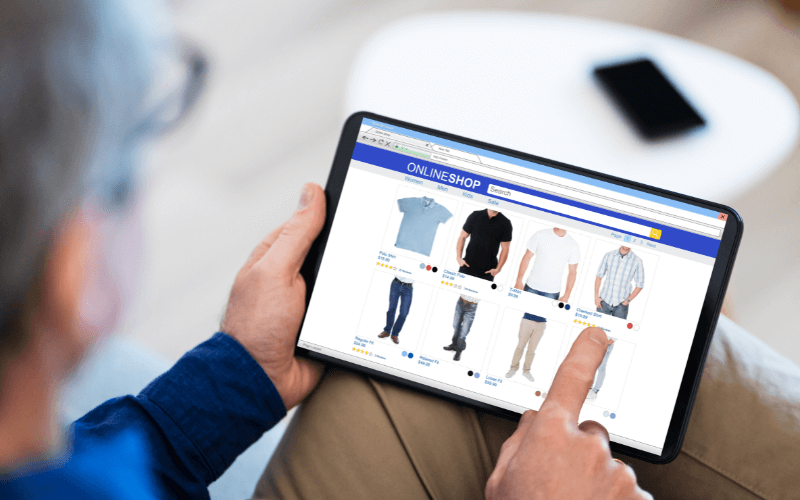
Ever wondered why some online stores seem to rank with ease? The secret lies in optimising everything on your site, and this includes alt text. In ecommerce, where visuals play a huge role in attracting and converting shoppers, optimising your category and product images for search engines can significantly impact your traffic and sales. In fact, according to Google, image search accounts for just over 10% of overall web searches, meaning that if you’re not using descriptive alt text, you’re likely missing out on potential customers.
Alt text, short for “alternative text,” is a simple yet important element of on-page SEO. It not only helps search engines understand what your images depict but also improves website accessibility for visually impaired users using screen readers.
In this guide, we’ll explore using alt text in ecommerce SEO, how to write it effectively, and how it fits into a broader image optimisation strategy that drives organic growth.
Why Alt Text is Important for Ecommerce SEO
The first thing you need to know is that search engines can’t see images; they rely on text to interpret them. This is where alt text comes in. It acts as a bridge between your visuals and search algorithms, providing context about what your image represents.
For instance, a generic filename like “IMG_0012.jpg” tells Google nothing, but alt text such as “black leather ankle boots for women” sends a clear signal about the product type, material, and target audience. This enhances your visibility in both Google Image Search and standard organic search results.
From an accessibility perspective, alt text ensures that all users, including those using assistive technologies, can understand what’s on your page. This isn’t just an ethical consideration; it’s also a legal requirement in many regions. Optimised alt text contributes to a better user experience, which indirectly supports SEO performance through lower bounce rates and higher engagement.
How Alt Text Improves Image SEO and Rankings
Search engines use hundreds of factors to determine ranking positions, and image optimisation is a growing part of that ecosystem. When your ecommerce images include descriptive alt text, Google can index them more effectively, which increases the chances of your products appearing in relevant visual search results.
Furthermore, optimised images improve page relevance. For example, if your product page targets the keyword “men’s waterproof hiking jackets,” using alt text that naturally reinforces this phrase (such as “men’s waterproof hiking jacket in navy blue”) helps search engines confirm that your content is relevant to that search query.
Alt text also supports Core Web Vitals indirectly. Properly optimised images load faster and reduce page loading speeds, which improves your overall site performance. Combining descriptive alt text with compressed, mobile friendly images creates a winning formula for both SEO and user experience.
Best Practices for Writing Effective Alt Text
- Focus on clarity and relevance, not keyword stuffing. Describe exactly what the image shows in natural, human language that also makes sense to search engines.
- Be specific and descriptive. Include details like colour, material, style, and size. For example, instead of “bag,” write “tan leather bag with gold buckle.”
- Avoid generic terms such as “product image” or “photo of item” – they add no SEO or accessibility value.
- Keep it concise. Aim for alt text under 100 characters, as screen readers often cut off longer descriptions.
- Use semantic variations of your target keyword naturally to expand your reach. For example, if your keyword is “eco-friendly yoga mat,” you might include “sustainable non-slip yoga mat” or “recycled material fitness mat.”
- Skip unnecessary alt text for purely decorative elements (like icons or background textures) by using empty alt attributes to prevent confusion for assistive devices.

Incorporating Alt Text into Your Ecommerce Workflow
Optimising alt text should be built into your content management and SEO workflow. Most modern ecommerce platforms, such as Shopify and WooCommerce, allow you to add alt text directly when uploading images.
If you’re managing hundreds of products, consider conducting an alt text audit. Tools like Ahrefs or Screaming Frog can help you identify images missing alt attributes. From there, create a standardised process where every new image upload includes descriptive alt text aligned with your SEO strategy.
Collaboration between SEO specialists, content teams, and photographers can also make a big difference. Encourage your team to label files descriptively before uploading, and maintain consistent naming conventions to avoid confusion later.
Over time, this systematic approach strengthens your site’s image SEO, improves accessibility compliance, and helps you rank for more long tail search queries that drive qualified traffic to your online store.
Common Ecommerce Mistakes to Avoid
One of the most frequent errors in ecommerce SEO is keyword stuffing – especially in alt text. Overusing keywords not only looks spammy but also reduces accessibility. Google’s algorithms are sophisticated enough to detect unnatural language, so focus on human readability first.
Another common issue is using the same alt text for multiple images on a page. Each image should have a unique description that reflects what’s visually different.
Lastly, don’t forget to review your alt text periodically. As products are updated, discontinued, or rephotographed, your image descriptions should evolve to remain accurate and relevant. Regular SEO audits help maintain alignment between your visuals, keywords, and content goals.
Conclusion
Alt text might seem like a small part of SEO, but it can also be what sets the top ranking sites apart. By describing your images accurately and naturally, you help search engines understand your products while creating a more inclusive experience for all users.
Incorporating descriptive alt text into your ecommerce image optimisation strategy can improve your rankings, improve accessibility, and drive more traffic from image search results – all without extra advertising spend.
If you’re serious about growing your online store through smarter SEO, now’s the time to contact Click Shark – we’re always happy to help!