If you’ve ever stared at Google and thought, “How on earth are they ranking above me?”, you’re not the only one. I hear this exact question all the time from business owners who feel their website deserves better. And in most cases, the missing piece is off-page SEO.
You can have a well-designed website, great content, and solid on-page SEO, but without off-page SEO, Google won’t fully trust you. And trust is everything in search.
In this guide, I’ll explain what off-page SEO is, how it works in the real world, and the best practices I use when running SEO campaigns for clients. Just practical insight that makes sense.
What Is Off-Page SEO?
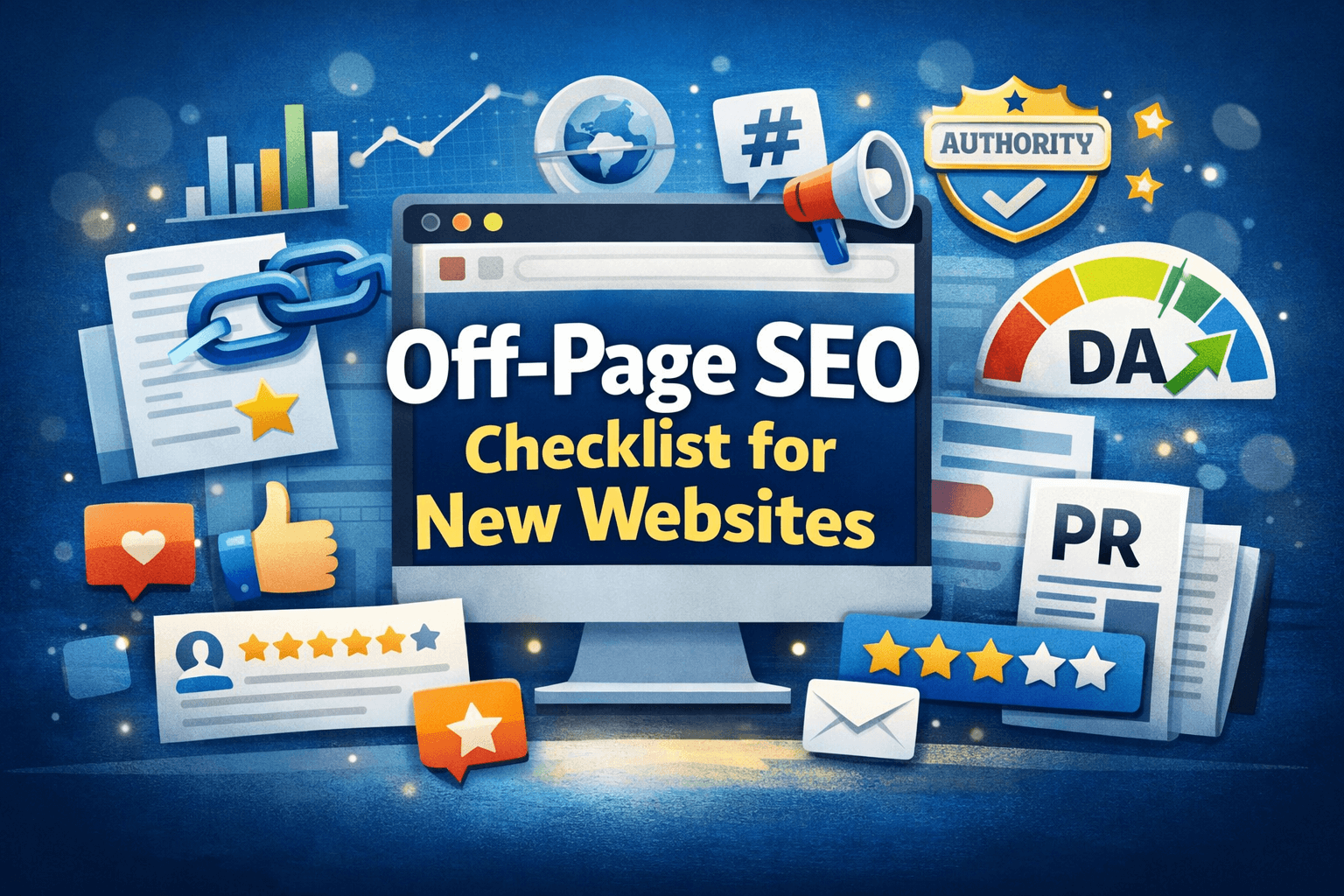
Off-page SEO refers to all the actions taken outside of your website that help improve your search engine rankings. Unlike on-page SEO, which focuses on content, keywords, and technical setup, off-page SEO is mainly about authority, trust, and reputation.
Google wants proof that other websites vouch for you. If reputable sites link to you, mention your brand, or reference your content, Google sees this as a vote of confidence. The more relevant and trustworthy those signals are, the stronger your website looks.
Think of off-page SEO like word of mouth. If everyone is talking about your business positively, Google is far more likely to rank you above competitors who nobody references.
Why Off-Page SEO is Important for Rankings
Off-page SEO is often the deciding factor on competitive keywords. I’ve seen websites with average content outrank technically perfect sites simply because they had a stronger backlink profile and brand mentions.
Search engines use off-page signals to assess credibility. Without them, your website can feel isolated, even if the content is good.
Off-page SEO also helps search engines understand who you are, what you do, and how relevant you are within your industry. This directly impacts keyword rankings, crawl frequency, and long-term visibility.
Backlinks: The Core of Off-Page SEO
Backlinks are links from other websites pointing to yours. They remain among one of the strongest off-page ranking factors today.
Not all backlinks are equal. A single relevant link from a trusted website can outperform dozens of low-quality links. Google looks at relevance, authority, anchor text, and context.
In real campaigns, I always prioritise links from websites that are topically related to the client. A local trades business getting links from local blogs, directories, or suppliers performs far better than chasing random high-authority sites.
Brand Mentions and Authority Signals
Off-page SEO isn’t just about links anymore. Brand mentions without a clickable link still carry weight.
When your business name appears consistently across blogs, forums, reviews, and social platforms, Google starts to recognise your brand as legitimate. This is especially powerful for local SEO and service-based businesses.
Reviews, citations, and unlinked mentions all help build authority. They show that real people and websites acknowledge your business exists.

Social Signals and Off-Page SEO
Social media doesn’t directly improve rankings in the way backlinks do, but it plays an important supporting role.
Sharing content helps it get discovered. The more eyes on your content, the higher the chance it earns backlinks naturally. I’ve seen blog posts gain strong links purely because they performed well on LinkedIn or Facebook first.
Social profiles also act as trust signals. An active brand presence on more than one platform reassures both users and search engines that the business is real.
Common Off-Page SEO Examples
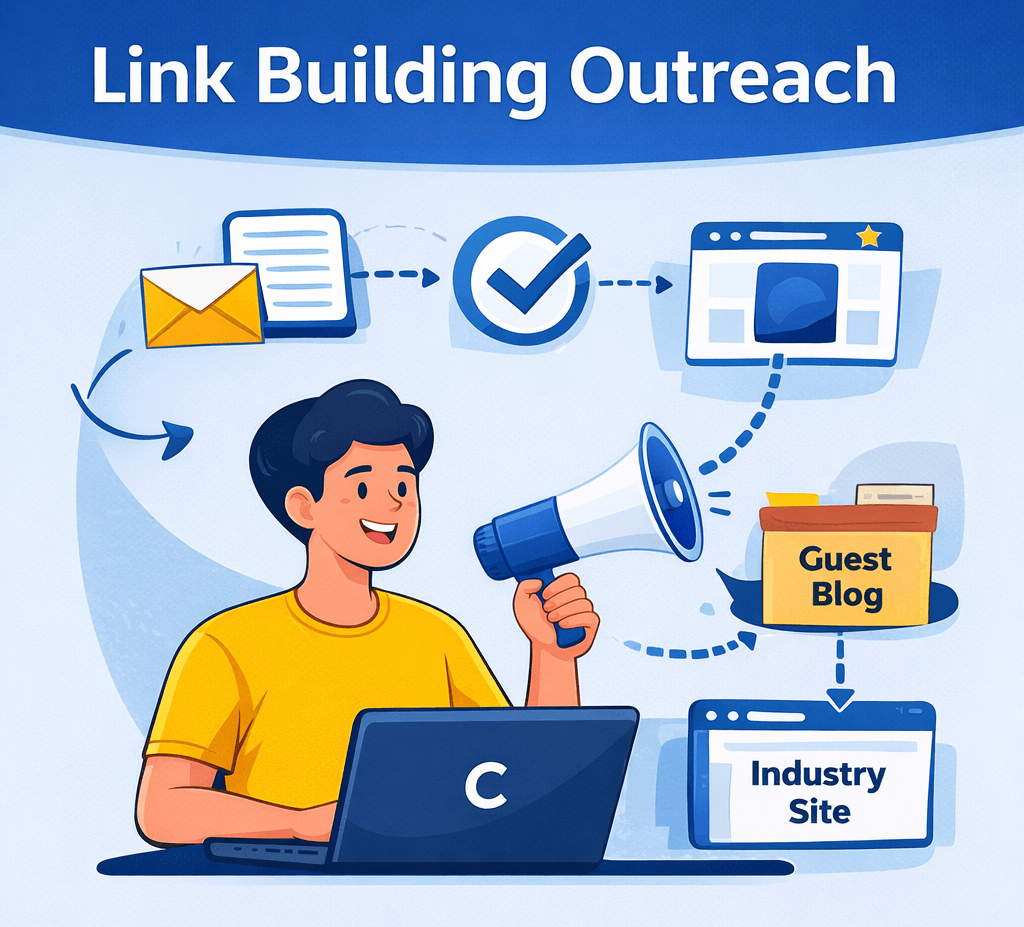
- Guest posting – Writing helpful, relevant articles for other websites in your industry. This earns you quality backlinks and puts your brand in front of a new audience.
- Digital PR – Getting featured in news articles, interviews, or industry roundups. These mentions send strong authority and trust signals to Google.
- Local citations – Listing your business on trusted directories. This helps validate your name, address, and phone number, which is especially important for local search visibility.
Off-Page SEO Best Practices That Actually Work
The biggest mistake I see is people trying to scale too quickly. Buying links from link farms, spamming directories, or using automated tools almost always causes problems later.
The best approach is consistency and relevance. Build links slowly, focus on quality websites, and keep everything natural.
In my opinion, the safest long-term off-page SEO strategy is creating genuinely useful content that people want to reference. It takes longer, but it protects your site and builds lasting authority.
How Long Does Off-Page SEO Take to Work?
Off-page SEO is not instant. This frustrates many business owners, but it’s just how search engines work.
You’ll usually start seeing movement within a few months, but strong authority builds over time. The sites that win long-term are the ones that consistently earn trust signals year after year.
If you stop building off-page SEO completely, rankings often stagnate or slowly decline as competitors catch up.
Off-Page SEO vs On-Page SEO
On-page SEO helps Google understand your content. Off-page SEO helps Google trust it.
You need both. On-page SEO without off-page SEO limits growth. Off-page SEO without solid on-page foundations wastes potential.
When both work together, that’s when rankings become stable and predictable.
In Summary
So, what is off-page SEO? It’s everything that builds your website’s authority beyond its own pages. Backlinks, brand mentions, reviews, and social visibility all work together to show Google that your site deserves to rank.
From running real SEO campaigns, I can confidently say that off-page SEO is often the difference between page two and page one. If you want sustainable rankings, it’s not optional.
If you’re serious about growing your visibility, start thinking beyond your website. That’s where the real SEO gains happen.